
What is a CCTV Solutions Company
March 23, 2026iCAM Aspirating Smoke Detectors: Advanced Fire Detection Beyond the Ordinary
April 22, 2026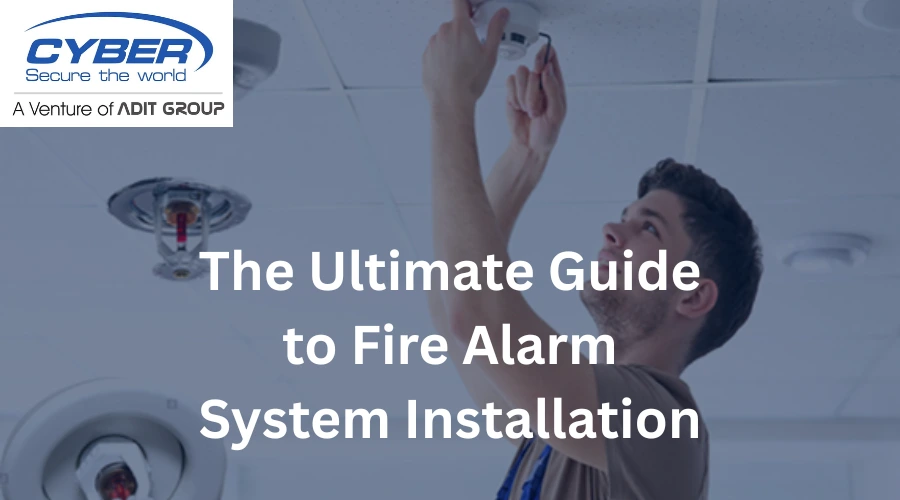
In the world of Extra-Low Voltage (ELV) integration, nothing is more critical than life safety. For a business, a fire alarm isn’t just a regulatory checkbox—it’s the silent guardian of your assets, data, and, most importantly, your people.
At Cyber Info, we specialize in seamless ELV integration. We know that a fire alarm system is only as good as its installation. Here is our comprehensive guide to understanding the process, the components, and the standards required for a world-class fire safety setup.
1. Understanding the Core Components
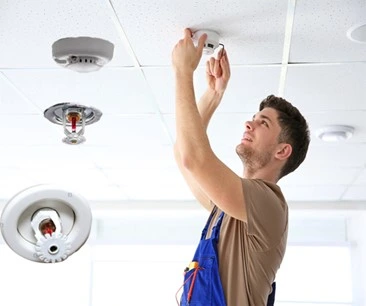
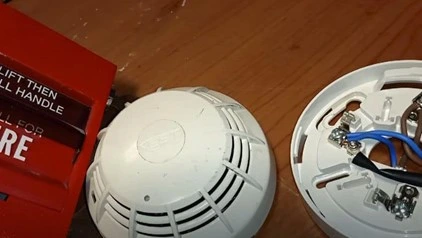
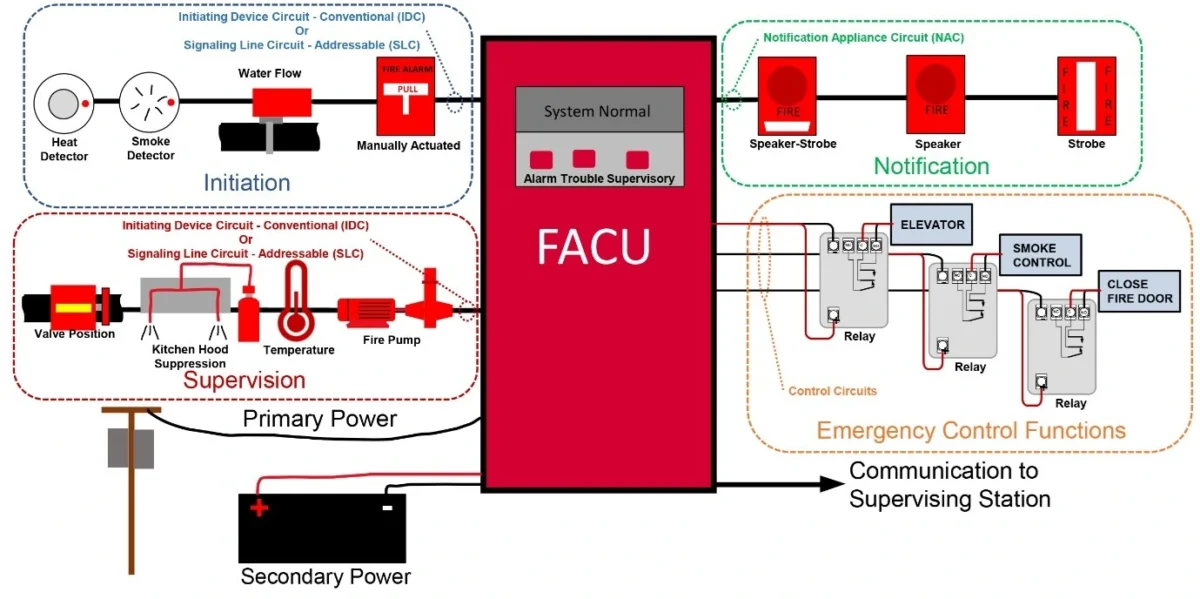
Before the first wire is pulled, it’s essential to understand the “nervous system” of the fire alarm. A standard installation involves:
- Fire Alarm Control Panel (FACP): The brain of the system that monitors inputs and triggers outputs.
- Initiating Devices: Smoke detectors, heat detectors, and manual call points.
- Notification Appliances: Sirens, strobes, and voice evacuation systems.
- Power Supplies: Primary building power backed up by dedicated battery sets.
2. The Installation Phase: Step-by-Step
A professional installation by an ELV integrator follows a strict sequence to ensures zero-fail reliability.
A. Site Survey and Design
Every building has a unique footprint. We start by identifying “high-hazard” areas (like server rooms or kitchens) and determining the best placement for detectors to ensure full coverage without “dead zones.”
B. Wiring and Conduiting
For fire systems, we use Fire Rated Cables (often LSFH – Low Smoke Fume Halogen). These cables are designed to maintain circuit integrity even when exposed to direct flame for a specific duration.
- Conventional Wiring: Best for small shops or simple layouts.
- Addressable Wiring: Essential for large complexes, allowing the panel to identify the exact detector that has been triggered.
C. Device Mounting
Detectors are mounted on ceilings or walls based on airflow patterns.
Pro Tip: Never install a smoke detector near an AC vent, as the forced air can push smoke away from the sensor, delaying the alarm.
D. Integration with Other ELV Systems
This is where Cyber Info excels. A truly smart building integrates the fire alarm with:
- Access Control: Automatically unlocking electromagnetic doors for evacuation.
- HVAC Systems: Shutting down fans to prevent the spread of smoke.
- Elevator Recall: Sending lifts to the ground floor and grounding them.
3. Compliance and Standards
Installation isn’t just about functionality; it’s about legality. Most global installations must adhere to:
- NFPA 72: The National Fire Alarm and Signaling Code.
- EN54: The European standard for fire detection and fire alarm systems.
- Local Civil Defense Regulations: Crucial for obtaining building completion certificates.
4. Testing and Commissioning
Once the hardware is up, we run rigorous tests:
- Smoke Testing: Using calibrated canned smoke to trigger sensors.
- Decibel Level Checks: Ensuring sirens are loud enough to be heard over ambient noise.
- Battery Discharge Tests: Ensuring the system stays alive during a power outage.
Why Choose an Expert ELV Integrator?
Fire alarm system installation is high-stakes. A single loose connection or a poorly placed sensor can lead to catastrophe. By partnering with a dedicated ELV integrator like Cyber Info, you ensure that your system is not only compliant but intelligently connected to your building’s entire ecosystem.
Protect your infrastructure today. Contact Cyber Info for a professional site assessment.