
Water Leak Detection Systems: A Complete Guide
June 21, 2026
Door Interlocking Systems Why Controlled Access Matters in Critical Environments
August 23, 2026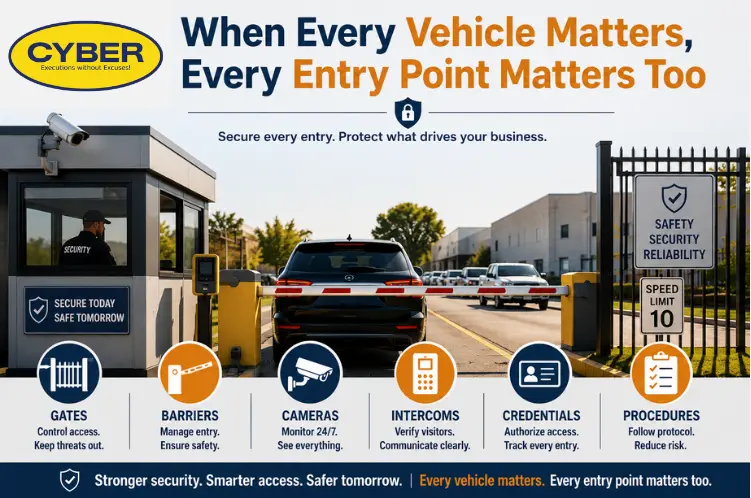
Table of Contents
- Why Vehicle Access Control Has Become More Important
- Understanding Automatic Boom Barrier Systems
- Challenges of Manual Vehicle Entry Management
- How Boom Barrier Systems Support Modern Facilities
- Integration with Security and Automation Infrastructure
- Factors to Consider Before Installation
- Conclusion
- FAQs
Automatic Boom Barrier Systems: The Growing Need for Smarter Vehicle Access Management
Every facility has an entrance, but not every entrance is managed in the same way.
Whether it is a manufacturing plant, corporate office, residential township, educational campus, healthcare facility, or logistics center, controlling vehicle movement has become an increasingly important operational requirement. As organizations grow and vehicle traffic increases, manual gate management often becomes difficult to sustain
efficiently.
Long vehicle queues, inconsistent visitor verification, unauthorized entries, and dependence on manual processes can affect both security and operational flow. This is why many organizations are adopting entrance automation technologies that provide greater control over vehicle access while maintaining smooth movement at entry and exit points.
Among these technologies, automatic boom barrier systems have become one of the most commonly implemented solutions.
Why Vehicle Access Control Has Become More Important
Modern facilities handle a diverse mix of vehicles every day. Employees, visitors, vendors, contractors, service providers, and logistics vehicles may all require access to the same premises.
Without a structured entry management process, maintaining visibility over vehicle movement can become challenging.
The objective of vehicle access control is not simply to stop unauthorized vehicles. It is also about creating a controlled and organized flow that supports daily operations.
When vehicle access is managed effectively, facilities can improve traffic movement, reduce manual intervention, and create clearer access procedures for different categories of users.
Understanding Automatic Boom Barrier Systems
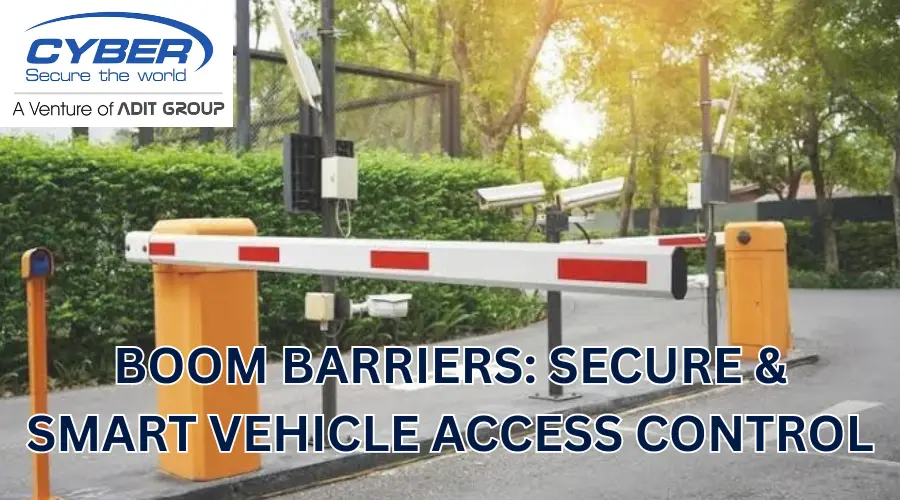
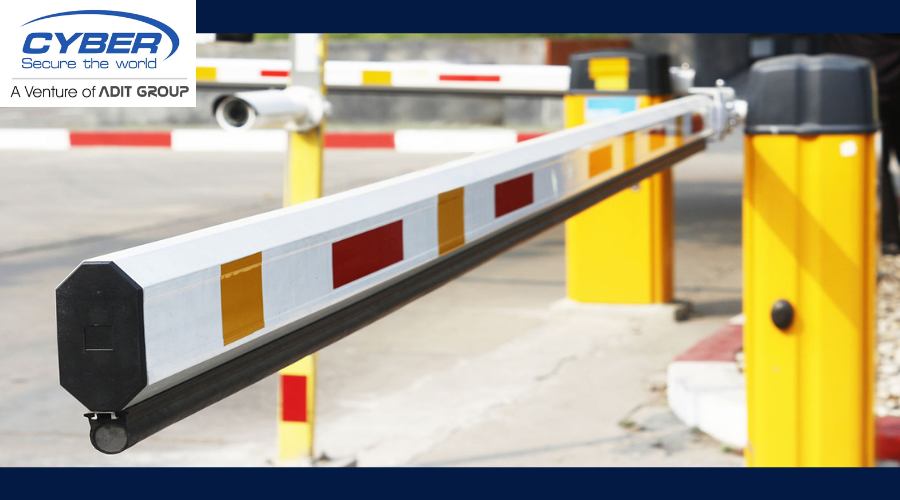
An automatic boom barrier is an entrance automation solution that regulates vehicle movement through a motorized barrier arm. The system opens or closes based on predefined authorization criteria and operational rules.
Unlike manually operated gates, automatic boom barriers can respond quickly to access requests and integrate with various identification technologies.
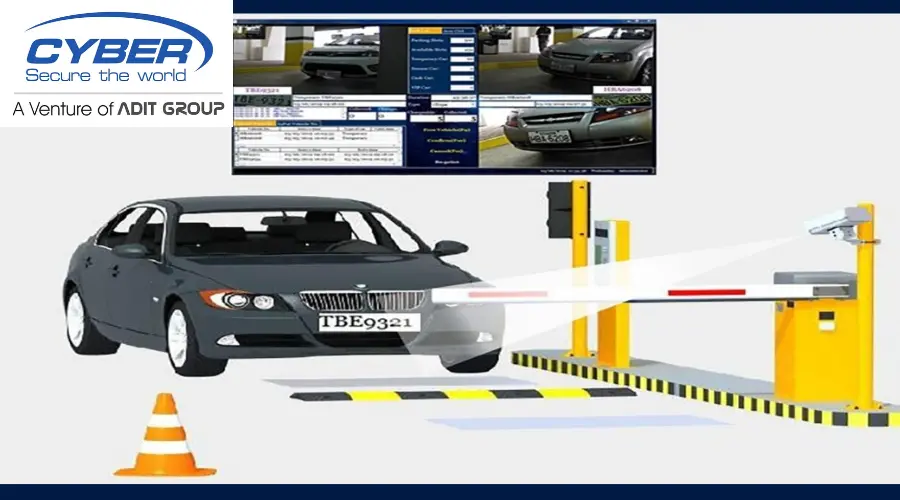
Depending on operational requirements, the barrier can work with RFID tags, access cards, vehicle detection sensors, remote controls, or number plate recognition systems.
The result is a more streamlined process for managing vehicle entry and exit while maintaining access control protocols.
Challenges of Manual Vehicle Entry Management
Many organizations initially manage vehicle access through security personnel and manual verification processes. While this approach may be suitable for smaller facilities, challenges often emerge as traffic volumes increase.
For example, during peak entry hours, security personnel may need to verify multiple vehicles simultaneously. This can lead to delays and congestion at entry points.
Manual record keeping may also create difficulties when organizations need to review historical vehicle movement data.
Additionally, facilities operating around the clock may require a consistent level of access management that becomes difficult to maintain solely through manual processes.
Automated vehicle access systems help address these operational challenges by introducing predefined workflows and reducing dependency on repetitive manual activities.
How Boom Barrier Systems Support Modern Facilities
The value of an automatic boom barrier extends beyond opening and closing a gate. In many facilities, the barrier acts as the first layer of access management. It establishes a controlled checkpoint where authorization decisions can be applied consistently.
For a corporate office, this may involve granting access to registered employee vehicles while directing visitors through a separate process.
In an industrial facility, it may involve managing vendor vehicles and controlling logistics traffic entering operational zones.
For residential communities, it may support resident access while providing additional visibility over visitor movement.
Although the requirements differ across industries, the underlying objective remains the same: creating an organized and manageable vehicle access environment.
Integration with Security and Automation Infrastructure
One of the key advantages of modern boom barrier systems is their ability to integrate with other technologies.
Rather than functioning as a standalone solution, a boom barrier can become part of a broader security and facility management ecosystem.
For example, a vehicle entering a facility may be identified through RFID technology, recorded by a CCTV surveillance system, and logged within a visitor management platform simultaneously.
Similarly, access decisions can be linked with employee credentials, parking management systems, or centralized monitoring platforms.
This integrated approach allows organizations to move beyond simple gate automation and create a more connected operational infrastructure.
Organizations evaluating vehicle access automation often also explore related solutions such as access control systems, CCTV surveillance systems, visitor management systems, and centralized monitoring platforms to achieve better visibility across their facilities.
At this stage, proper planning and system integration become important. Cyber Group supports organizations in implementing entrance automation solutions that align with their existing infrastructure and operational requirements.
Factors to Consider Before Installation
Selecting a boom barrier system is not only about choosing equipment. Understanding operational requirements is equally important.
Traffic volume is one of the first considerations. Facilities handling hundreds of vehicles daily may require different configurations than locations with limited vehicle movement.
Entry lane dimensions, access methods, safety requirements, and future scalability should also be evaluated before implementation.
Organizations should also consider how the system will interact with existing security infrastructure and whether future integration requirements may arise.
A well planned deployment often provides greater long term flexibility and operational consistency.
Why Entrance Automation Is Becoming a Long Term Strategy
As facilities become larger and operational expectations continue to evolve, entrance automation is increasingly viewed as part of broader infrastructure planning rather than a standalone security measure.
Organizations are looking for solutions that not only improve security procedures but also contribute to operational efficiency, traffic management, and user convenience.
Automatic boom barriers represent one component of this larger strategy by helping create structured vehicle access processes that can adapt to changing organizational needs.
Conclusion
Vehicle access management plays an important role in maintaining organized and secure facility operations.
Automatic boom barrier systems provide a practical approach to controlling vehicle movement while supporting efficiency, consistency, and integration with modern security infrastructure.
As organizations continue investing in smarter facility management practices, entrance automation solutions are likely to remain an important part of future infrastructure planning.
FAQs
What is an automatic boom barrier system?
A motorized barrier used to control vehicle entry and exit.
Where are boom barriers commonly installed?
Commercial buildings, industries, residential communities, and parking facilities.
Can boom barriers integrate with access control systems?
Yes, many systems support integration with access management platforms.
Do boom barriers help manage traffic flow?
They support organized vehicle movement at entry and exit points.
Can boom barriers work with RFID technology?
Yes, RFID integration is commonly used for vehicle authorization.